Latching guide

Finding your rhythm together.

A deep latch is comfortable. If it hurts, gently break the seal with your pinky and try again.

Various positions to try

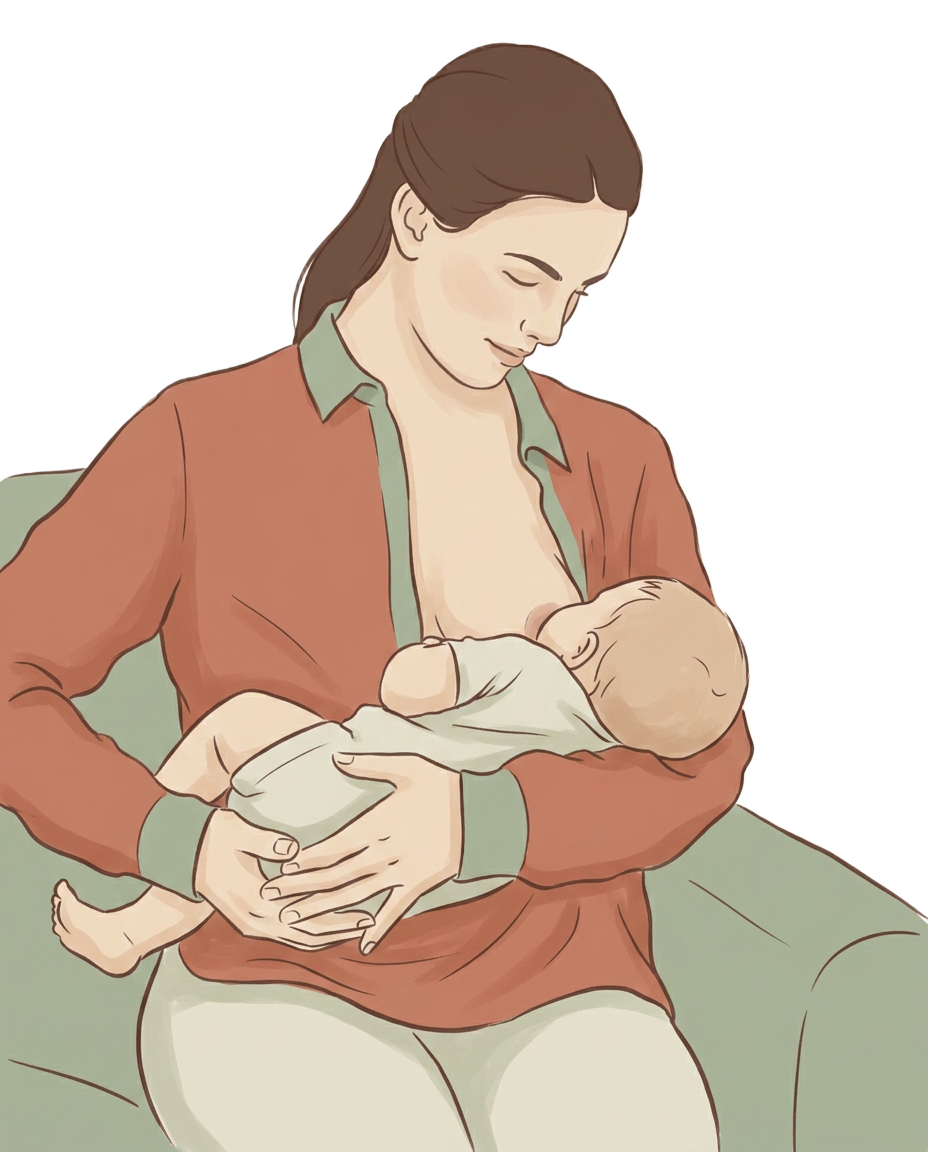
Mother cradling newborn in the classic cradle hold

Cradle hold

Classic — baby's head in the crook of your elbow.
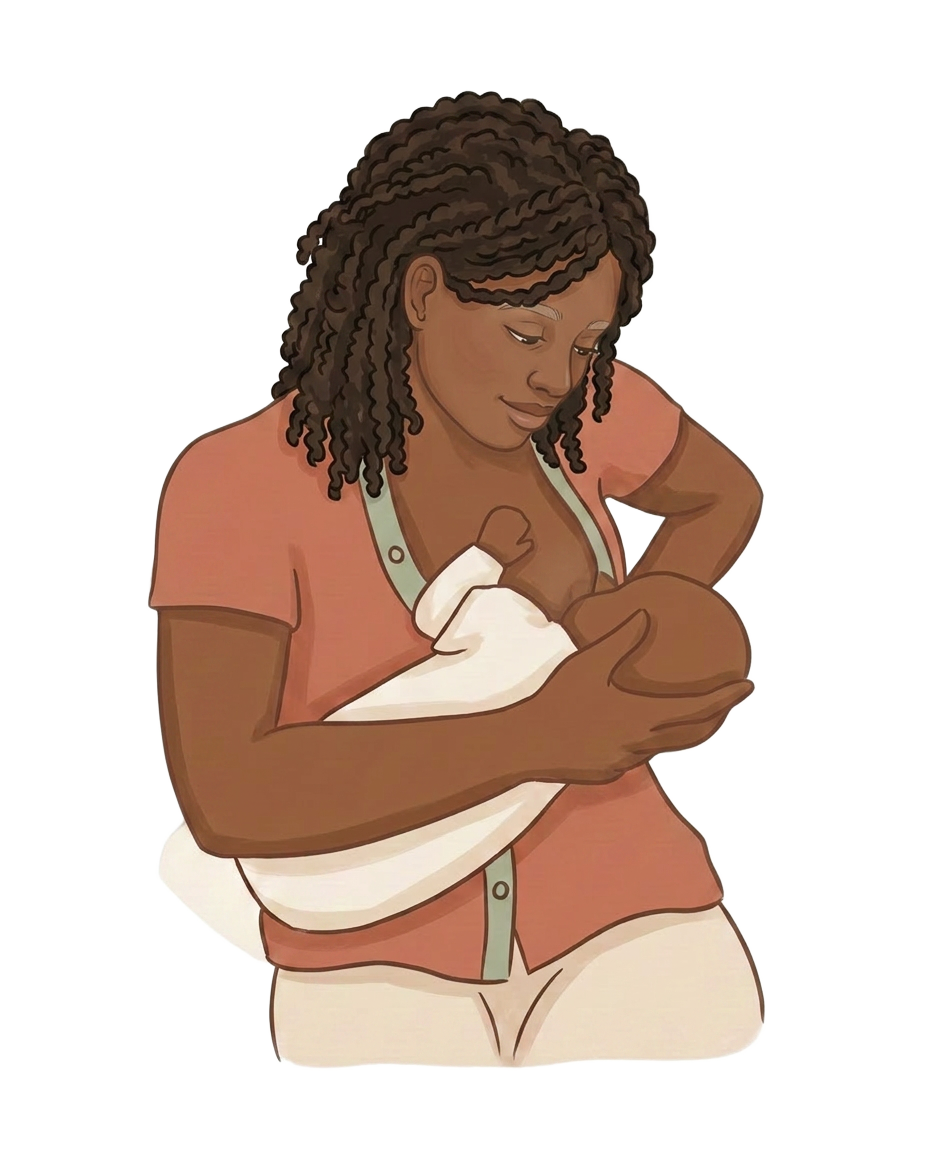
Mother supporting newborn in the cross-cradle position

Cross-cradle

Great for tiny newborns learning the latch.
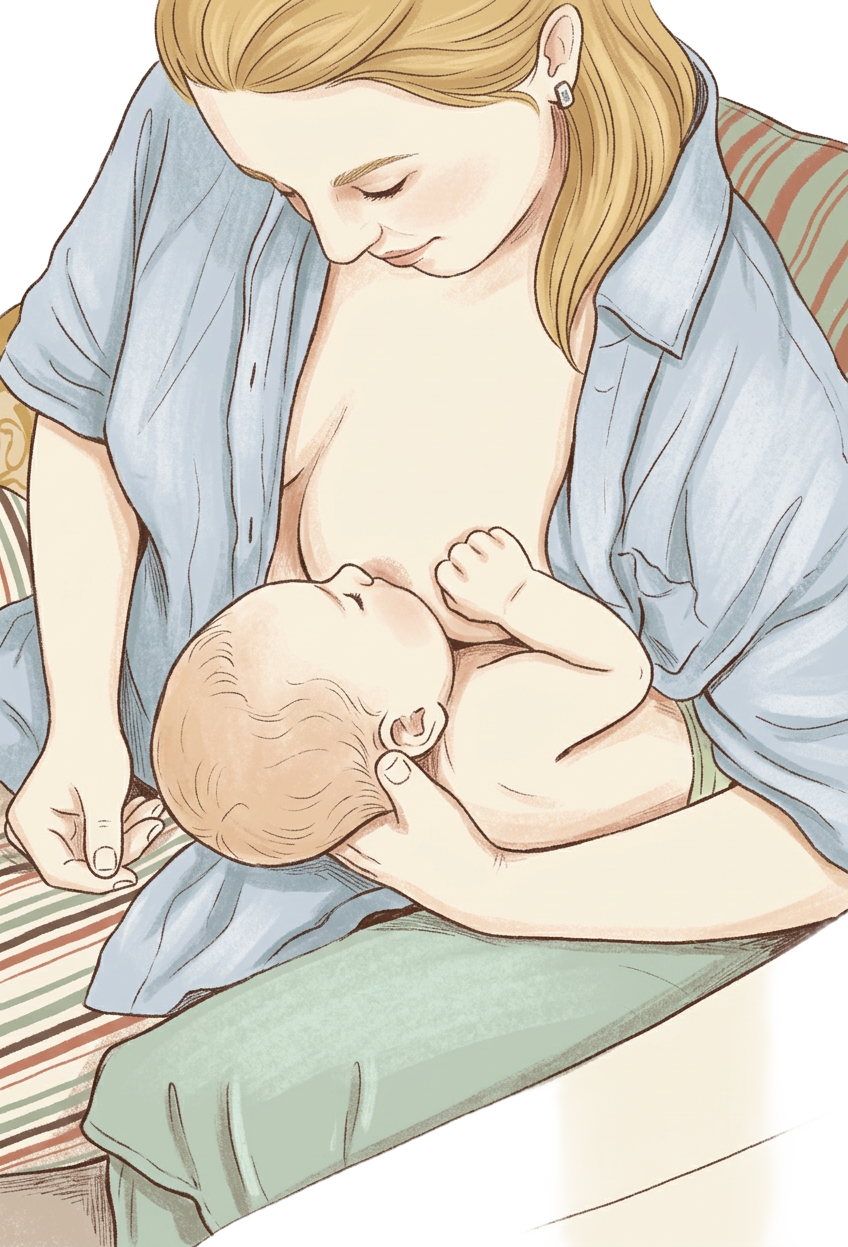
Mother holding newborn in the football hold

Football hold

Wonderful after a C-section or for twins.
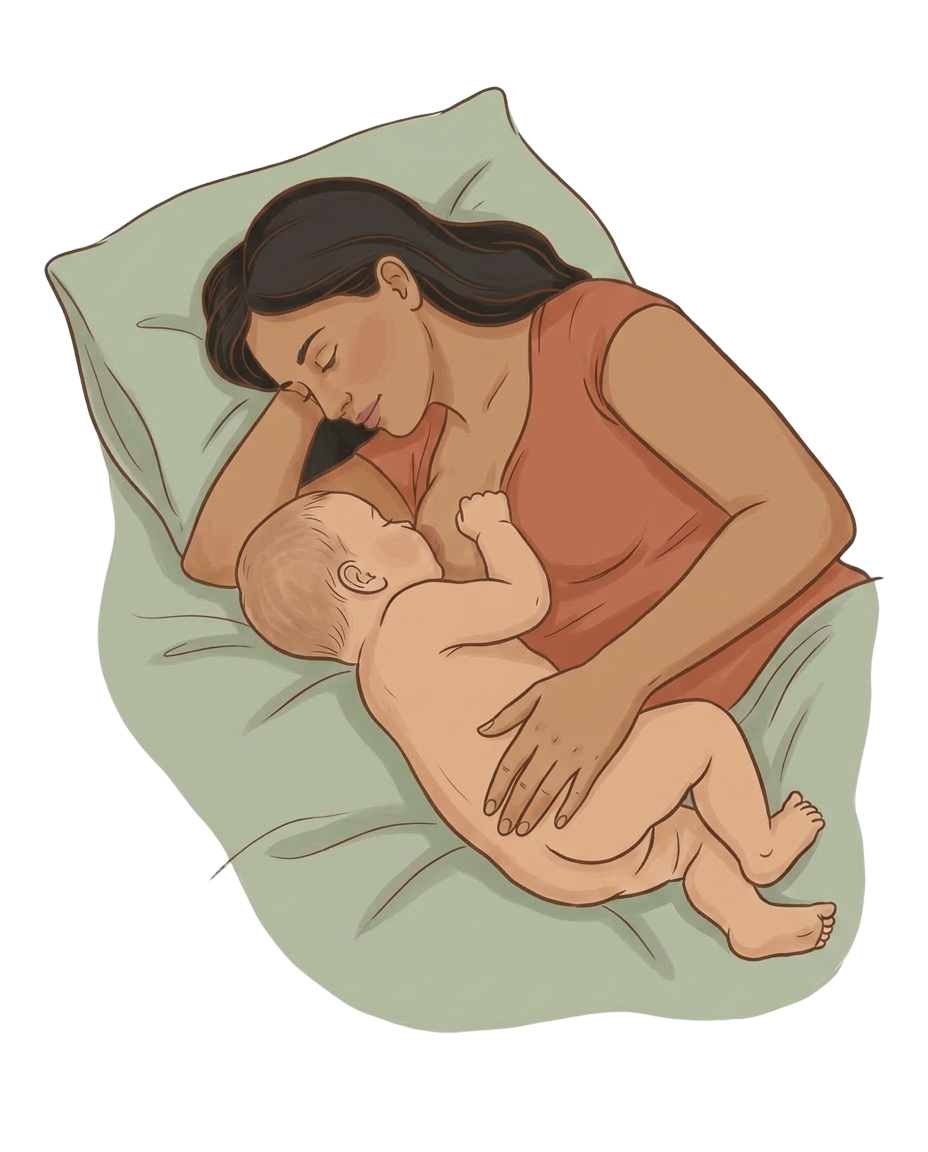
Mother side-lying with newborn for restful nursing

Side-lying

For night feeds and rest.

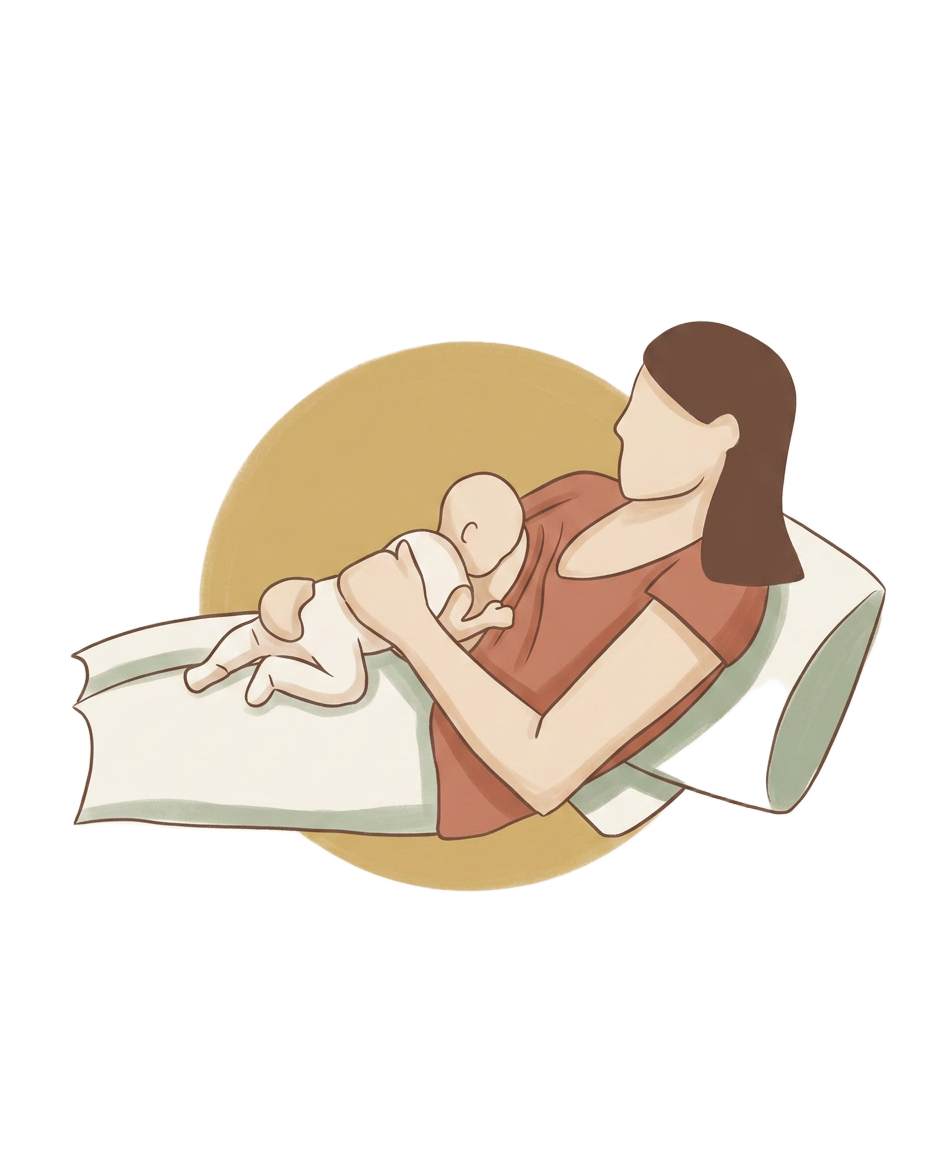
Mother reclining with newborn resting on her chest

Laid-back nursing

Lean back, baby on your chest — instinctive.
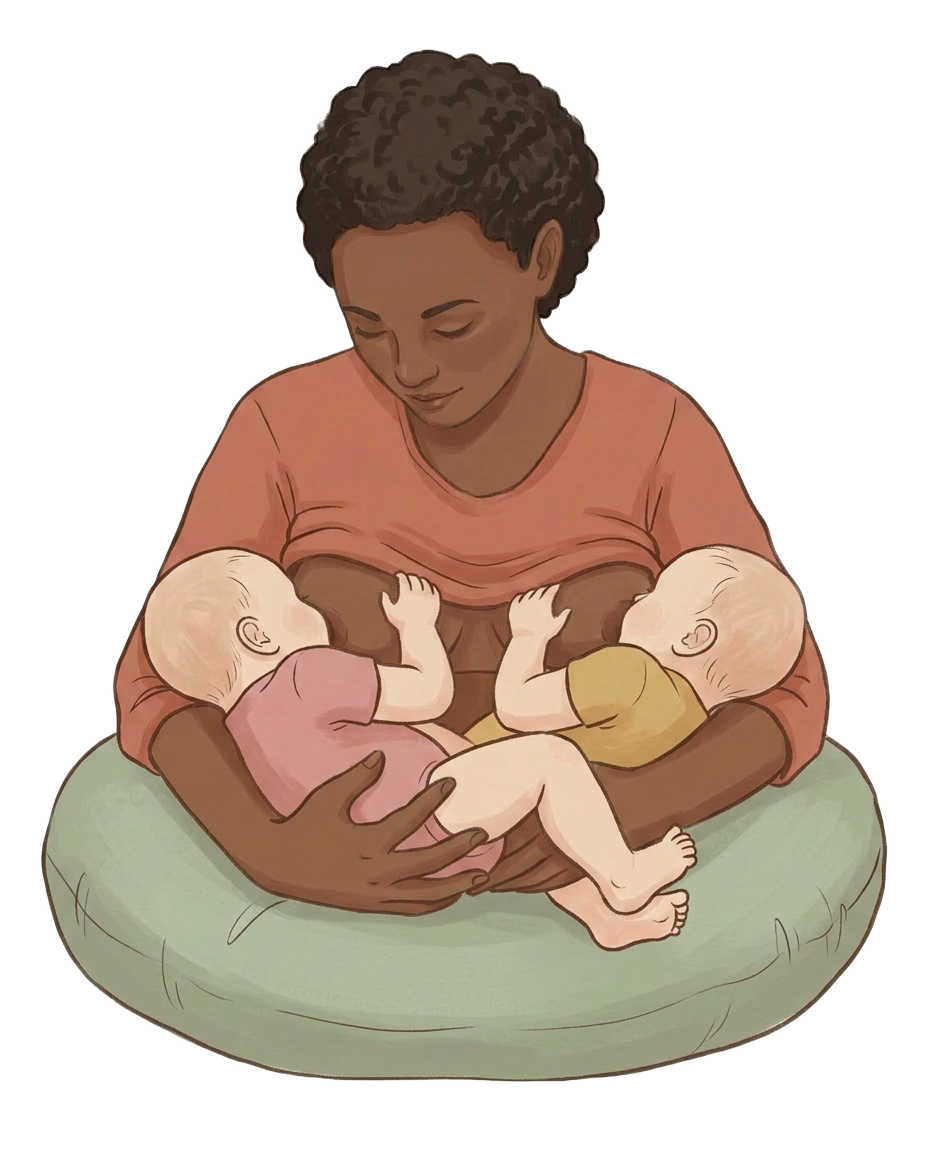
Mother cradling twin newborns in the double cradle hold

Double cradle

Tandem feed twins, cradled across a pillow.
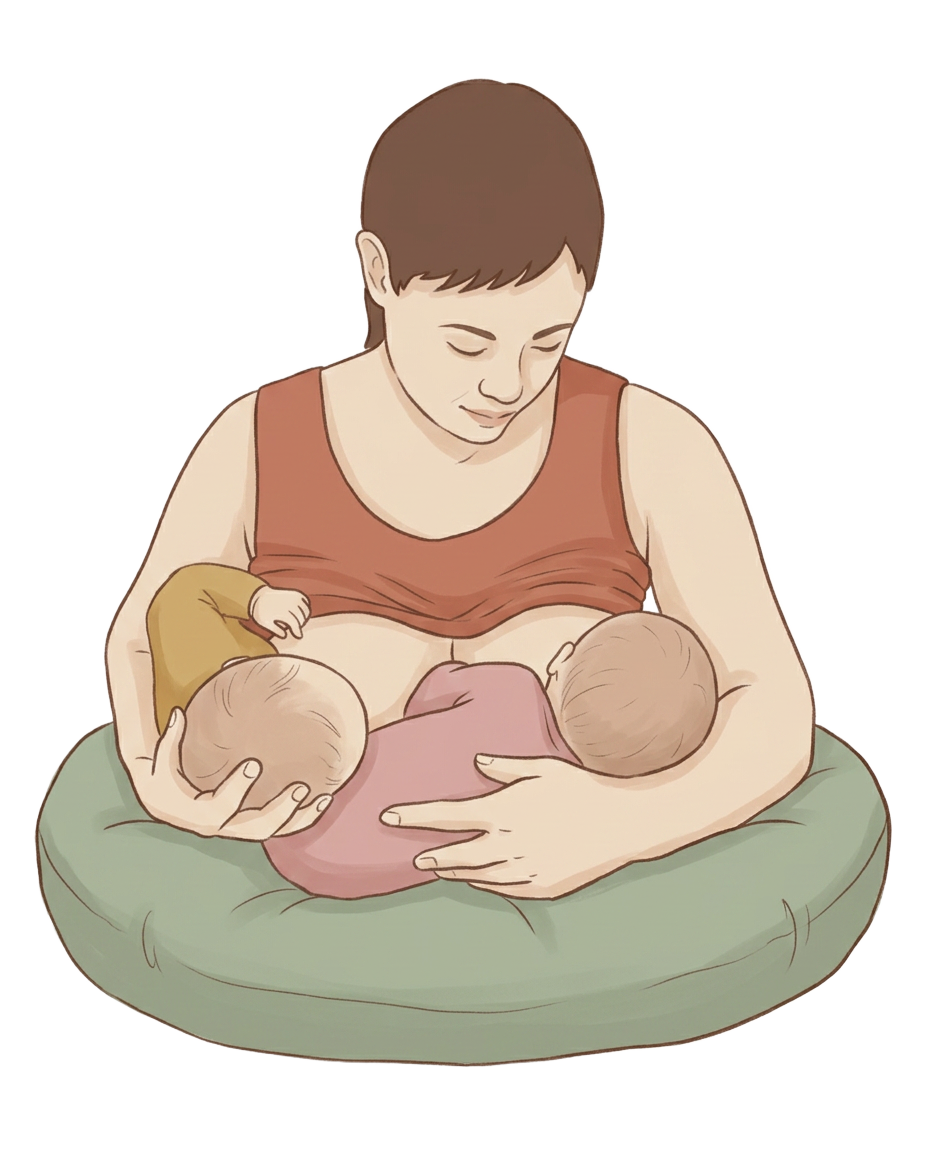
Mother feeding twins in cross-cradle and football hold combination

Twins cross + football

One twin cross-cradle, one tucked under the arm.

Signs of a good latch

  • Mouth opens wide, like a yawn
  • Lips flange outward (fish lips)
  • Chin touches the breast, nose is clear
  • More areola visible above the top lip than below
  • Slow, rhythmic swallowing — no clicking sounds
  • Feeding is comfortable, not pinching

Signs baby needs adjustment

  • Sharp or pinching pain that doesn't ease
  • Clicking or smacking sounds while nursing
  • Lips tucked inward instead of flanged
  • Dimpled cheeks during sucking
  • Baby slides off quickly or seems frustrated

When to seek help

Reach out to a lactation consultant for cracked nipples, persistent pain, poor weight gain, or if feeding feels overwhelming. You don't have to figure this out alone.

For ages 12+ · Under 18 requires parent or guardian consent

© MONEY JORDAN INC LLC · Payments by Paddle